Commercial Waste in Milton Keynes

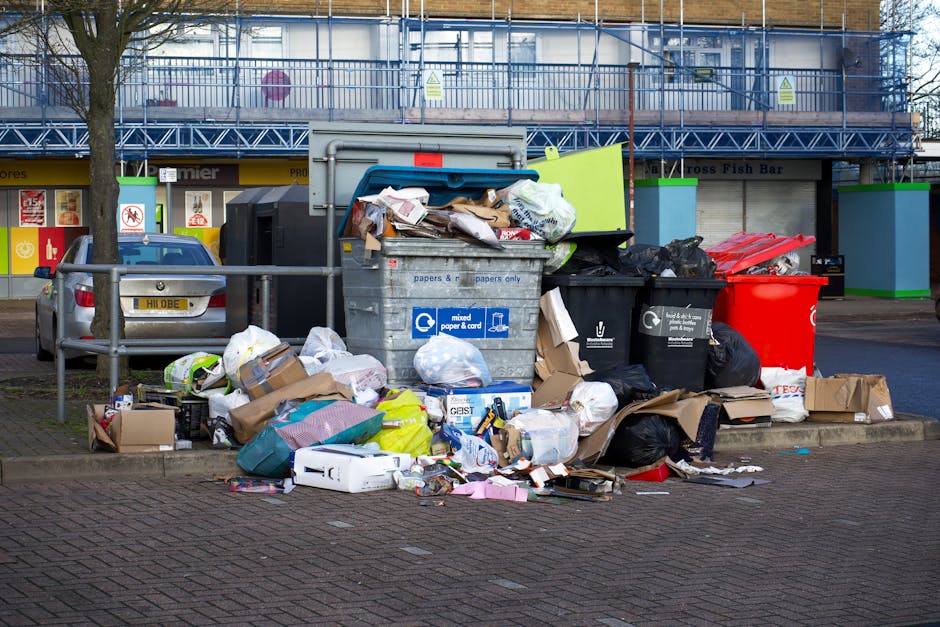
Commercial waste in Milton Keynes needs a service that is clear about what can be removed, how it is separated, and what happens after collection. We handle regular and one-off business waste removal for premises that need a straightforward way to clear general rubbish, mixed recyclables, bulky items and other commercial refuse. The aim is practical: keep your site usable, keep collections organised, and make disposal easier to plan around normal working hours.
Our work covers a range of commercial waste streams, from everyday office bagged waste to larger clearances from retail units, workshops and shared business spaces. Depending on the material, we can arrange collections that focus on safe loading, sensible sorting and responsible transfer to the appropriate facility. If you need a commercial waste service that is easy to explain to staff and simple to book, our website gives you the main options and the best pages to review first.
For a quotation, start by looking at the service details that match your waste type and the pages on pricing, booking and contact. Keep the enquiry simple: tell us what type of waste you have, how much there is, and whether the items are loose, bagged or bulky. That is usually enough to begin a useful estimate and decide the most suitable collection approach.
Regular business waste collections

Regular business waste collections are suited to premises that generate ongoing rubbish and want a dependable way to clear it without letting it build up. This can include packaging, office waste, general non-hazardous refuse and mixed items from day-to-day operations. The service is useful when you need a clean-up that sits between ad hoc clearances and a full contractual waste round, especially if the volume changes from week to week.
When planning this kind of removal, it helps to think about the material first rather than the container. Some loads are mostly dry general waste, while others contain recyclable cardboard, plastic wrap or mixed shop-floor refuse. Separating what you can beforehand often makes the collection more efficient and makes it easier to direct items to the right processing route. For more on accepted waste types, the page on waste removal is a useful starting point.
Regular collections also suit businesses that have awkward storage arrangements or limited internal waste space. If a back room, stock area or shared yard is used for waste staging, a clear collection plan helps avoid clutter interfering with access. The detail matters: bagged waste, loose waste and bulky waste each call for a slightly different loading approach, and a good enquiry describes those differences plainly.
Office waste and workplace clearances

Office waste work typically involves more than just removing black bags. Desks, monitors, filing cabinets, chairs, packaging, archive material and other surplus items may all need to be cleared in a careful sequence. We can help with office clearances where the goal is to make a working space manageable again without leaving items stacked in corridors, meeting rooms or reception areas.
Where paper-heavy material is involved, it is sensible to distinguish between general refuse and items that need secure handling. Mixed office waste is often easier to manage when confidential papers, electrical items and furniture are separated before collection. If secure document disposal matters, the confidential shredding page covers a related service for records that should not be mixed with general waste.
For a workplace clear-out, the most useful preparation is usually a short list of the main item groups and any access constraints. A few clear details can save time later: whether the lift is available, whether items are on one floor or several, and whether there are large pieces that need dismantling before loading. Simple, accurate information is more helpful than a long explanation.
Bulky commercial items and specialist disposal
Some business waste is bulky rather than complicated, but it still needs careful handling. Furniture, sofas, mattresses, appliances and large fit-out leftovers take more room than standard rubbish and may need lifting plans that protect walls, doorways and shared access routes. Businesses often choose this route when they are replacing stock, updating a workspace or clearing redundant items from storage.
Where the load includes large furniture or appliances, the collection method can depend on whether items are intact, partly dismantled or stored in difficult positions. It is also sensible to separate general refuse from items that have a more specific disposal route. The pages for furniture disposal and fridge and appliance removal are relevant where the main issue is removing bulky equipment rather than clearing loose waste.
Some commercial items are not just large, but also restricted by material or condition. For example, broken electrical goods, damaged cabinets and heavy upholstered items may call for different handling from plain office waste. That is why item-by-item clarity matters. If you are unsure whether a particular load is standard, reusable, recyclable or more specialist, describe the actual items rather than using broad terms.
Site clearances for garages, lofts and storage areas
Commercial premises sometimes need waste removed from spaces that have accumulated old stock, packaging, broken tools or forgotten equipment. Garages, lofts, storage rooms and back areas can become catch-all spaces, especially in smaller units where every square metre matters. Clearance work in these areas is usually about recovery of usable space and safe removal of mixed, dusty or awkwardly stored materials.
These jobs are rarely identical. A loft may contain archive boxes and redundant office furniture, while a garage may hold vehicle-related items, shelving or old supplies. The pages for garage clearance and loft clearance are useful if you need to see how these more specific clearances sit alongside broader commercial waste removal. For premises with general clutter rather than just rubbish, the content on home clearance and house clearance can also help explain the wider clearance process.
Access can be the main practical issue in these spaces. Narrow stairs, low ceilings, limited parking and stored items packed tightly together can all affect how waste is moved out. A useful enquiry usually mentions what the area contains, how easy it is to reach, and whether anything is fragile, heavy or fixed in place. That lets the collection be planned sensibly from the start.
How our commercial waste collections are handled

Commercial waste collections work best when the route from source to disposal is kept straightforward. We look at what type of waste is involved, how much needs removing, and whether there are items that should be treated separately. This can include bagged waste, loose mixed rubbish, office furniture, appliances, recyclable cardboard and other non-hazardous commercial material. The practical aim is to reduce disruption and keep the collection process orderly.
When loads contain different materials, sorting can make a real difference to the way they are handled after collection. Recyclable items are best kept separate where possible, while broken furniture, general refuse and metal items may each have their own destination. If you want to understand the scope of collection work more broadly, the business waste removal page is a good companion to this service, while the recycling and sustainability page explains our wider approach to material recovery.
It is also worth thinking about whether the waste is part of a one-off project or a recurring pattern. End-of-lease clearances, refits, stock changes and office reorganisations often generate waste in batches, while routine trades and retail activity create smaller but regular amounts. Knowing the pattern helps you choose the right collection size and keep the site tidy between visits.
What to include in your enquiry

A useful enquiry does not need to be long. The most helpful details are the type of waste, the approximate amount, where it is located and whether any items are awkward to move. If the waste includes a mixture of materials, a rough breakdown is better than a vague description. That allows the collection to be matched to the job rather than forcing a one-size-fits-all approach.
Two other points are worth including if they apply: whether access is shared and whether timing is flexible. Shared loading bays, managed car parks and restricted building access can affect planning, especially where the waste is stored away from the main entrance. If you are comparing options, the page on pricing and quotes is a sensible place to review alongside the service pages, and book online offers a direct route to making a request when you are ready.
For businesses that prefer to check the company background or policies before booking, the about us, insurance and safety and payment and security pages provide additional context. Use them alongside the service information so the enquiry reflects the real job. Then request a quotation with the facts that matter most: waste type, volume, access and preferred timing.
Service choices for different commercial premises
Different premises create different waste streams, so it helps to match the collection to the setting. An office may need archive material, furniture and general rubbish removed together; a retail unit may have packaging, display fittings and stock-related waste; a light industrial space may generate mixed offcuts, pallets or damaged equipment. A single route does not suit every site, so the service needs to stay flexible enough to reflect the actual material.
Where furnishings are part of the load, item type matters. A few chairs are not the same as a full suite of reception furniture, and a single damaged cabinet behaves differently from an entire room of surplus stock. If you have reusable pieces, broken pieces and waste in the same area, it is usually better to separate them at the point of enquiry. The pages for furniture clearance and mattress and sofa disposal cover related bulky-item work.
For business owners who are balancing waste removal with day-to-day operations, the most useful decision is often whether to clear everything in one visit or divide the work into sections. Staged clearances can be easier where access is tight or where stock still needs to be sorted. Practical sequencing often matters more than speed alone.
Hazardous or restricted waste
Not all commercial waste belongs in a general clearance. Some items need separate handling because of the material involved, the way they are packaged, or the rules that apply to them. Examples can include certain chemical residues, contaminated materials or restricted items that should not be mixed with ordinary rubbish. When a business is unsure, the safest approach is to identify the material first and avoid placing it in a general load.
Where potentially restricted material is involved, the service pages should be read carefully before arranging removal. The hazardous waste disposal page is the relevant place to check whether a particular item or load needs a different process. This matters because the collection method, handling requirements and onward transfer can differ significantly from standard commercial waste removal.
It is always better to be specific than optimistic. If a load contains mixed business waste plus one questionable item, mention that item separately rather than burying it in a general description. That keeps the service choice accurate and helps avoid avoidable delays. Clear identification is the key to making the right disposal decision.
About Milton Keynes
Milton Keynes is a large town in Buckinghamshire, created as a new town in the late 1960s and planned around a distinctive grid road system that sets it apart from older settlement patterns in England. Its modern layout combines residential districts, business parks, shopping areas and open green spaces, while retaining a strong link to the surrounding landscape of north Buckinghamshire. The town centre is known for its wide pedestrian areas, the Centre:MK shopping complex and a built environment that reflects its post-war planning origins. Alongside the newer parts of town, the area also includes older villages such as Bletchley, Stony Stratford and Wolverton, each with its own separate history and character. Cultural life is supported by venues such as the MK Gallery, the Theatre District and local leisure facilities, while the nearby Grand Union Canal and the River Ouzel provide green corridors through parts of the urban area. Parks are an important feature too, with Campbell Park offering open views and public space close to the centre. Milton Keynes has grown into a significant commercial and residential place in the South East, and its design continues to be one of its most recognisable features.
Choosing the right collection for your load
The best collection choice depends on what is actually in the load, not just how much space it appears to take up. A lightly filled van-load of bulky furniture can be more involved than several bags of general waste, while a compact pile of mixed items may need more sorting than it first appears. The service should fit the material, the access and the way the site is used.
If the waste comes from an office move, a refit or a store reset, think about whether some items can be kept aside for reuse or separate recycling. If the waste is mostly general refuse, keep it in one place and make the route to collection clear. Where there are furnishings or appliances involved, the related pages on office clearance and furniture disposal can help you understand the difference between a full clearance and a single-category removal.
Once the job is defined, the next step is to request a quotation with enough detail to make it meaningful. A clear description of the waste type, quantity and access conditions usually gives the best starting point. That keeps the process simple and helps you decide on the most suitable service without overcomplicating the arrangement.
Helpful pages for planning and information
Some customers want to review a few practical pages before they send an enquiry. That is sensible if the load includes several item types or if the site has specific access rules. The booking process can be easier when you already know which waste category applies, whether the job is a one-off or recurring collection, and whether there are any items that need separate treatment.
For that reason, the most relevant supporting pages on this site include book online, pricing and quotes, contact us and waste removal. If your load includes items that are not straightforward commercial refuse, the related specialist pages can help you narrow things down before you ask for a price. Read the page that matches the waste, then make the enquiry with the clearest possible description.
If you are comparing disposal routes for particular items, the pages on garden clearance and builders waste clearance can also be useful where a business property produces outdoor waste, refurbishment debris or mixed material from works. The point is not to overcomplicate the process, but to choose the page that best fits the actual load and then move forward with a quotation request.